The good news about modern cladding is that it asks for very little. Cleaning cladding usually means water, a soft brush, a mild detergent where needed, and a quick inspection while you are at it. Do that once or twice a year and most façades will look close to new for a long time.
A simple routine for any cladding
- Rinse from top to bottom with low-pressure water.
- Wash with a soft brush and a mild, pH-neutral detergent if needed.
- Rinse again thoroughly so no residue dries on the surface.
- Inspect fixings, sealants, flashings and vent openings.
Always test a cleaner on a small, hidden area first.
Material by material
Terracotta. Fired clay is non-porous enough to shrug off most dirt, and its color is fired in, so there is nothing to fade or peel. Rinse and brush. For stubborn organic growth, use a cleaner recommended for ceramics. See our terracotta guide.
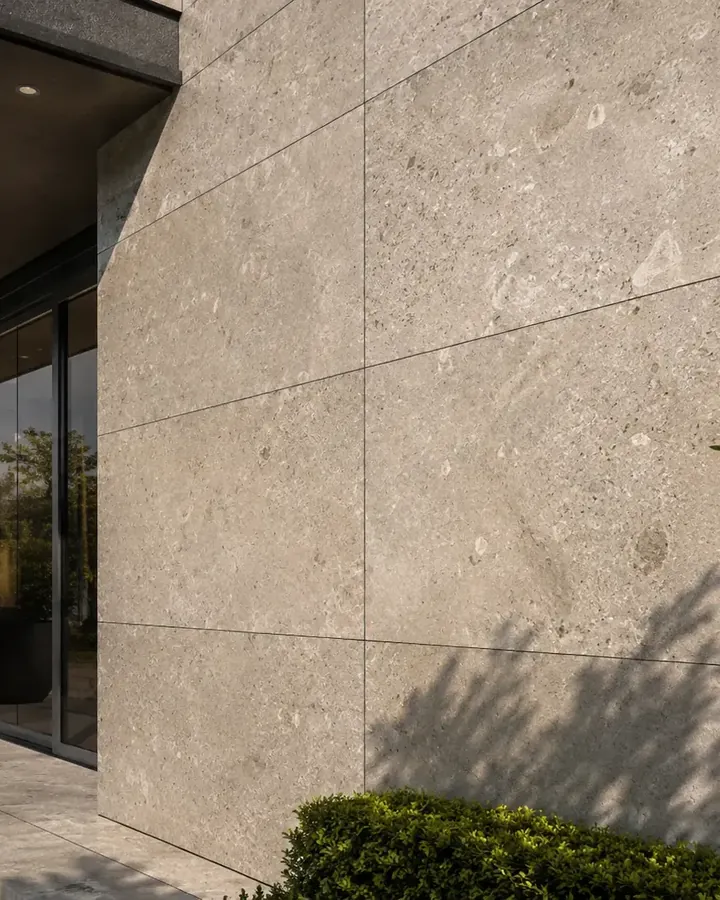
Stone-look cladding. Wash with water and a neutral detergent. Avoid acidic cleaners that can dull some finishes. Stone Claddings are designed to resist staining and weathering.
WPC. Mild soapy water and a soft brush. Clean up leaf litter promptly so it doesn't sit wet against boards. More in our article on WPC in hot, humid climates.
SPC (interior). Wipe with a damp cloth and a gentle cleaner. Avoid abrasive pads.
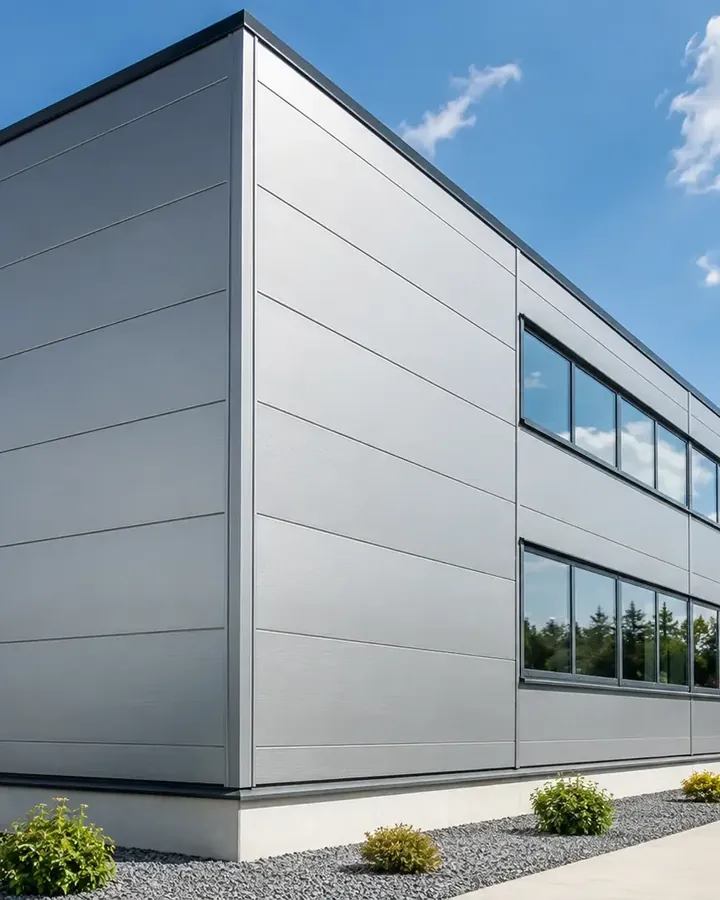
Insulated panels. Wash coated steel skins to remove dirt and salt, especially near the coast, which helps the coating last. Check trims and fixings for damage.
What to avoid
- High-pressure jets close to the surface or aimed into joints.
- Wire brushes, scouring pads and abrasive powders.
- Strong solvents, bleach or acids unless the manufacturer approves them.
- Climbing on cladding or leaning ladders directly against profiles.
Seasonal checks in the Southeast
After storm season, look for debris in cavity openings and gutters, check that sealants around windows are intact, and clear plants growing too close to the wall. Humidity encourages algae on shaded elevations; a gentle wash removes it before it becomes a stain.
When to call a professional
Call a contractor for work at height, for damaged units or flashings, or if you see staining that suggests water is getting behind the cladding. Replacing a single unit early is far cheaper than fixing a wet wall later.
Need care guidance for a specific finish? Ask our team.
Frequently asked questions
How often should cladding be cleaned?
For most buildings, once or twice a year is enough. Sites near busy roads, the coast or under trees may need more frequent cleaning to remove grime, salt or organic growth.
Can I pressure wash cladding?
Use caution. A low-pressure rinse is usually fine, but high pressure close to the surface can damage finishes, force water behind the cladding or disturb joints and seals. A soft brush and gentle rinse are safer.
What should I inspect during maintenance?
Look for loose or damaged units, failed sealants, blocked drainage or ventilation openings, damaged flashings and any staining that suggests water is getting where it shouldn't.